 incontinence Direct
— our services, explained calmly —
incontinence Direct
Incontinence and other intimate health issues affect far more than the body. Confidence, routine, sleep, social plans, work or exercise can all quietly shift. This page brings every area of support together in one place so you can see what is available, and what may feel relevant.

Gathered in one place: non-surgical support for urinary, stress, mixed and stool incontinence, overactive bladder, erectile dysfunction, and EMS / electromagnetic seat treatment.
The first visit to this page should feel straightforward, human and simple. This is not the place to exaggerate anything. The intention is to describe the service experience as it really is authentic, humane and centred on the person, not the symptom. Some people seek help because of a new sensation. Others have carried the same concern for years and no longer want to live with it. Many simply want to know whether there is a gentler route than surgery, time off work, or awkward conversations.
That is where incontinence Direct aims to help. Every area below, including Incontinence Direct Electromagnetic Seat Therapy, is explained in enough detail to be useful, yet warm enough to still feel human. Nothing is pushed. Nothing is rushed. The experience should feel calm, practical and reassuring from start to finish.
Support spans a range of bladder, bowel and sexual health concerns. These do not appear the same way for every person which is exactly why the service is tailored rather than one-size-fits-all.
Some people experience leakage with coughing, laughing, sneezing, lifting or quick movement. Others face a sudden, urgent need to reach a toilet or the fear of not making it in time. Some live with a mix of both.
Others are navigating bowel management issues that have become unpredictable. It may feel hard to talk about, but it deserves the same calm professionalism as any other intimate concern.
Some are seeking support around ED, which can affect confidence and comfort every bit as much as physical symptoms. The conversation is kept private, respectful and real.
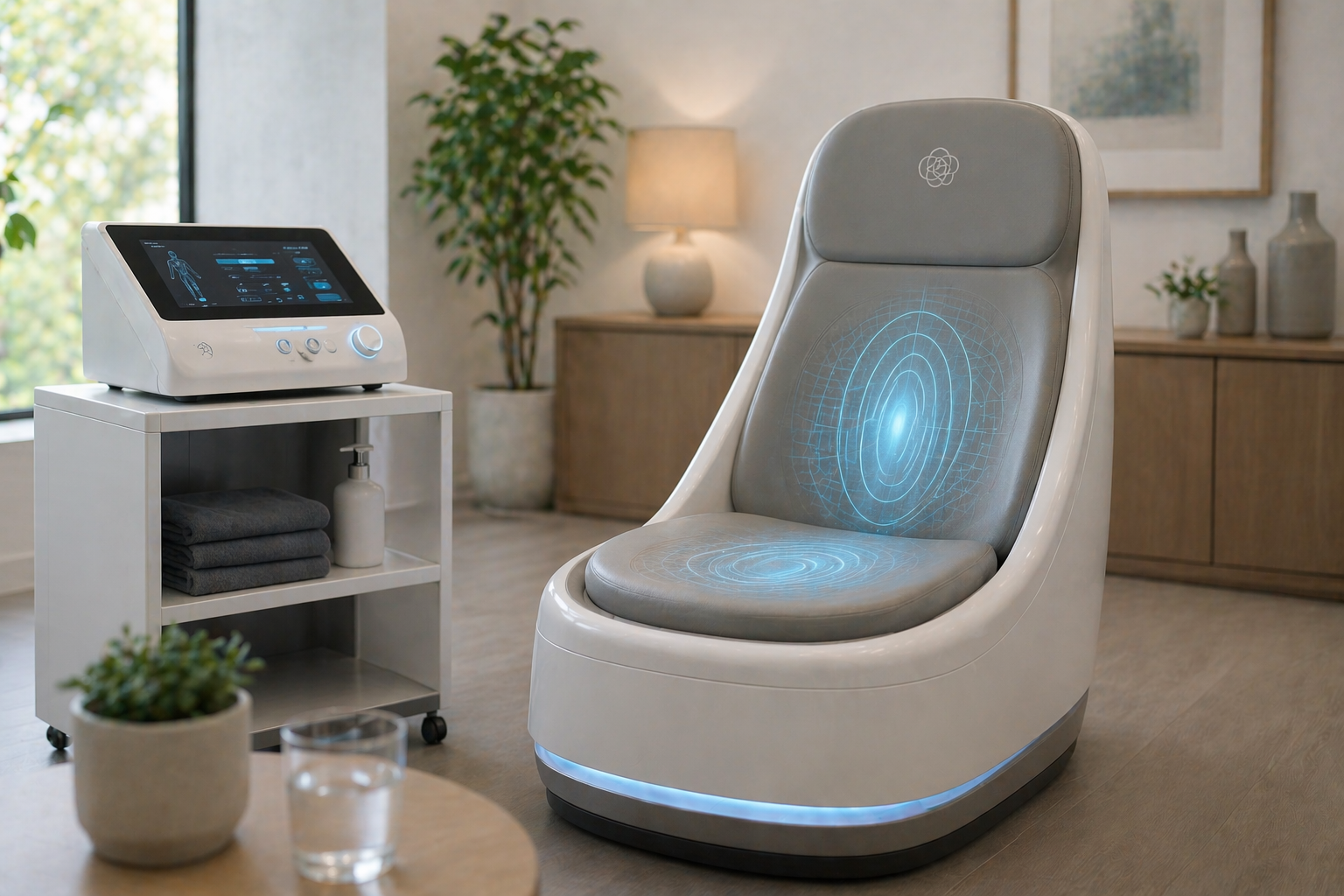
A modern, non-surgical treatment that supports the muscles involved in continence — without the upheaval often linked to larger interventions.
Non-invasive & seatedEMS or electromagnetic seat treatment is one of the central services offered through incontinence Direct. For many, it is the option that feels simple, non-surgical and straightforward once it has been properly explained. Incontinence Direct Stop Leaks Therapy Its primary aim is to assist the muscles and structures involved in continence and pelvic function. These are areas that often remain unconsidered until an issue appears and once symptoms arrive, they become undeniably intertwined with comfort, confidence and control.
Part of what makes this treatment feel reassuring is precisely that it is non-invasive. That matters when someone is looking for help but does not want a procedure that could feel harsh, painful or upending. There is no surgery, no lengthy recovery phase and no aggressive approach simply a gentle way to engage the muscles that support continence.
The treatment is also easier for many to feel emotionally at ease with. For a lot of people, anxiety about intimate health concerns begins well before treatment itself. They wonder what will happen, how it will feel, whether it will be uncomfortable. Having an option that feels calm and organised helps to ease that uncertainty which often makes the whole decision feel less like a threat.
EMS treatment is always explained in clear, plain language. Everyone should understand what it is intended to achieve, who it may suit, and how it fits within their wider plan of support. That clarity is especially important when the concern is personal and the person may already feel a little uncertain.
For some, EMS may sit as one part of a broader approach. For others, it is the main service they wish to explore. Either way, the focus remains the same comfort, discretion and realism. It is not about flowery language. It is about offering a logical treatment pathway that feels achievable. That alone can make a real difference.
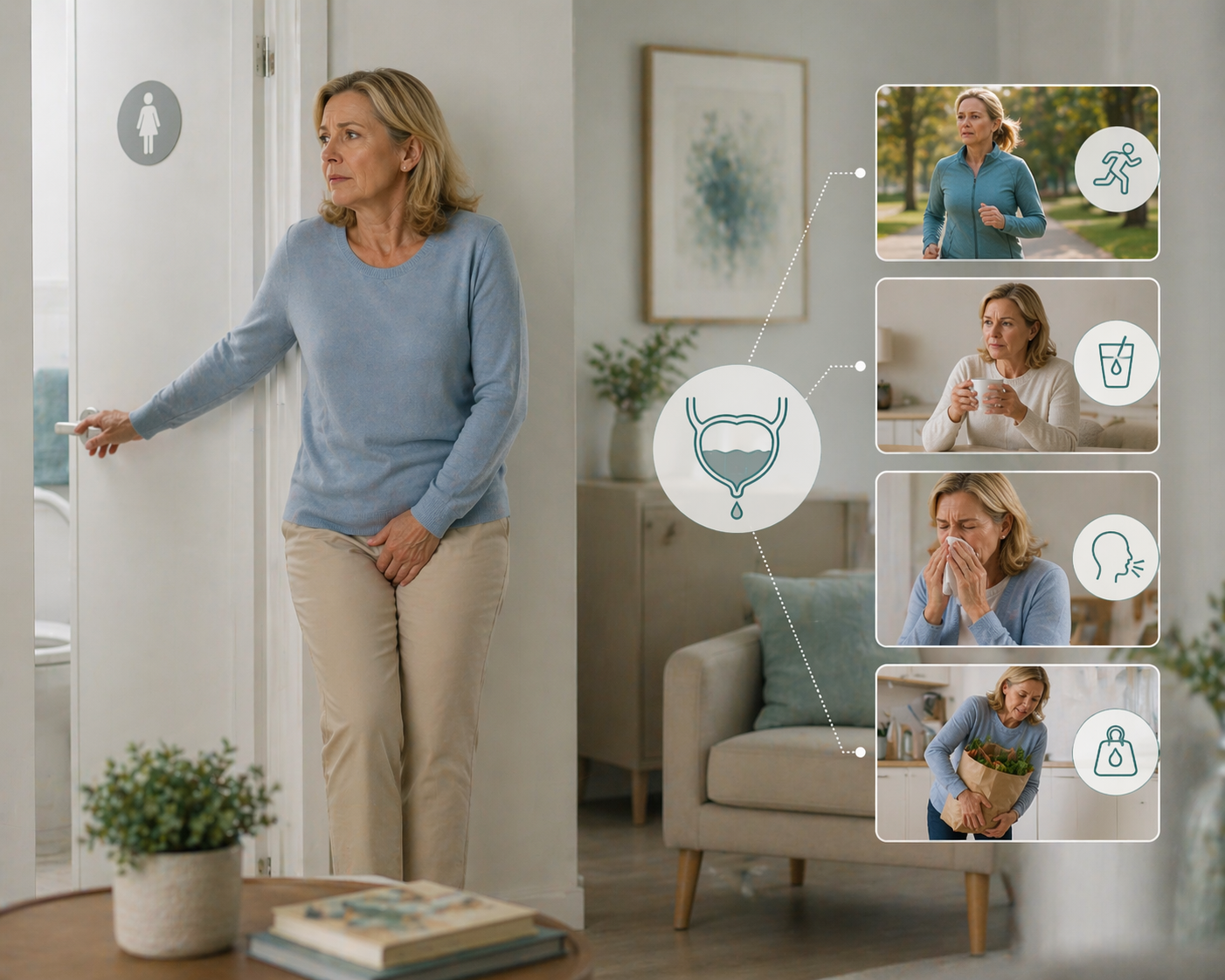
Support for leakage patterns that have quietly started to shape the day — with a non-surgical plan that feels measured and practical.
Men & womenUrinary incontinence shows up in many forms, and each leakage pattern can feel frustrating in its own way. Some people experience leakage when pressure builds on the bladder during coughing, laughing, sneezing or physical activity. Others have urgency and leakage linked to needing the toilet very suddenly. Incontinence Direct Bladder Control for Older Adults Many have a blend of both. What makes this concern so unsettling is that it can interrupt the rhythm of an ordinary day without warning.
Over time, someone living with urinary incontinence may quietly begin to adjust their routine. They may avoid certain trips. They may wear darker clothes, choose protective products, hold back in public settings or at work. Little by little, these adjustments can shrink a person's world further than they had realised.
Through incontinence Direct, treatment for urinary incontinence is designed to feel accommodating and pragmatic. It is centred on understanding the symptom pattern in detail before discussing a non-surgical plan tailored to that individual. This cannot be rushed without consequences. Every good result begins with understanding.
Urinary incontinence can appear at different stages of life and for different reasons — postpartum, later in life, following a shift in health, or sometimes for no clearly identifiable cause at all. It is never about whether symptoms feel "bad enough". What matters is whether they are affecting confidence, comfort or routine. If they are, they deserve proper attention.
A humane approach to urinary incontinence should never sound dismissive. People need room to talk about leakage even when they feel embarrassed. And it should recognise something very important that most have already done their best to manage the matter privately. They are not looking for judgement. They are looking for conversation that feels open and genuinely helpful.

Support for leakage triggered by everyday moments — coughing, laughing, sneezing, lifting or moving suddenly.
Men & womenStress incontinence is one of the most unsettling forms of leakage because it tends to hide inside completely ordinary moments. A cough. A sneeze. A laugh. Lifting something without thinking. For many, this creates an odd sort of vigilance a quiet preparation before doing the small things that used to feel effortless.
It is more commonly discussed in relation to women, especially after childbirth or as the body changes with age, but it can affect men too. No person should ever feel their concern is too commonplace to matter. If it shapes how someone walks, dresses, exercises or spends time with others, it matters.
The emotional impact of stress incontinence is talked about far less often than it deserves. People become self-conscious because leakage happens at awkward moments. They may hold back from exercise. They may hesitate before laughter. They may think twice about travel, social plans or time with friends and family. The physical symptom can quietly begin to define the emotional experience of a whole day.
incontinence Direct offers a measured, non-invasive approach to stress incontinence. The focus is on calm support and on offering clarity about what may be driving the symptoms. A tailored plan matters here, because no two cases sound alike. Someone who finds their symptoms increasingly disruptive will need a different conversation from someone who only experiences leakage occasionally.
The service should communicate clearly that stress incontinence is not something a person must simply live with. It should also stay away from grand claims. What it does well is make room for cautious optimism and that calm confidence usually starts with the way a person is first spoken to.

Support for a blend of symptoms — where leakage during exertion meets urgency or frequent toilet visits.
Men & womenMixed incontinence can feel especially disorienting because more than one pattern is at play. Someone may leak under pressure and also experience urgency or frequent toilet visits. That combination can make it hard to understand what is happening and harder still to know where to begin.
For many, the unpredictability is the heaviest part. Rather than facing one clear pattern, it can feel like several concerns surfacing at once. That can be physically tiring and mentally exhausting, and it may give the impression that symptoms are far more complex than they actually are. They are not. They are simply blended and they deserve a service able to respond with clarity rather than ambiguity.
Support for mixed incontinence at incontinence Direct is shaped around the fact that listing symptoms is not enough. People with blended patterns need to hear that this is real, understandable and for most treatable without surgery.
Confidence can take layered hits with this kind of concern. Someone may worry about leakage during activity and also about urgency once they are home. That often means they are navigating two quiet fears at once. It can erode freedom. It can hold people back from long outings, exercise or events without guaranteed bathroom access.
A helpful approach makes someone feel less alone with it. It should also set realistic expectations. The tone should stay calm. Never dramatic. The aim is simply to let a person know that this happens, that it is understood, and that exploring support is worth trying.

Support for urgency, frequency, disturbed sleep and the constant quiet planning around bathroom access.
Men & womenThe impact of overactive bladder on everyday life is substantial, even where leakage is not the main problem. Needing to urinate urgently, making multiple visits to the toilet, or feeling a persistent need to empty the bladder all of these can be draining. Many find themselves waking during the night far more often than they would like. Some become quietly fixated on where the nearest bathroom is at all times. Over time, it can disrupt concentration, sleep and confidence.
Overactive bladder is hard to live with, but what makes it particularly difficult is the way it narrows a person's freedom. It may lead to changing a route, timing drinks carefully, avoiding long meetings or travel, or setting strict limits on how far from home someone is willing to go. Even without any actual event occurring, the fear of one is enough to reshape how life is lived. That constant alertness is exhausting.
At incontinence Direct, overactive bladder is explained and supported with clarity. The aim is to help people recognise that urgency and frequency are not symptoms to simply push through or dismiss. They can reflect a pattern that deserves proper attention and calm support.
It is important not to confuse this. Overactive bladder can have different causes and effects. It can appear on its own or alongside other continence concerns. Some people feel urgency without any leakage, yet the disruption remains significant. In every case, the worry can be life-changing in ways that cannot be dismissed.
Support needs to understand the emotional side as much as the physical one. People often say that planning around overactive bladder leaves them exhausted. They find it frustrating that something so small can affect their day so much. That frustration is real and it deserves a thoughtful response. The treatment area should offer reassurance while remaining pragmatic about the need for careful, individualised care.

Calm, respectful support for one of the concerns people find hardest to talk about — met with dignity at every step.
Men & womenStool incontinence is one of the most vulnerable concerns anyone can live with which is precisely why the tone around it matters so much. It can feel hard for most people to discuss, even with a healthcare professional. The embarrassment can be intense. Just the fear of being judged is often enough to keep someone silent for far longer than they should be.
This is exactly the kind of issue that should be handled with calm, respectful, unrushed conversation. Stool incontinence should never be treated as a topic too sensitive to name. For the person living with it, the impact on daily life is huge. It affects confidence, social ease, outings and even simple moments of calm at home. It can create quiet anxiety about leaving the house or doing anything that feels far from comfort.
Support for stool incontinence through incontinence Direct is delivered with care and dignity. The language used is clear enough to inform, yet soft enough to feel safe. People need to know they are supported and that they do not need to keep navigating this alone indefinitely. Sometimes, that message itself is enough to start.
Because this concern is so personal, reassurance about discretion is vital. People want to feel that the service understands just how sensitive it is. They want to know their situation will be met with the same seriousness and professionalism as any other intimate health concern. That is where trust begins to build.
Information about this area is not meant to alarm anyone. It is meant to make the topic feel approachable something that can be spoken about, explored and supported without any loss of dignity. For someone who has carried the concern privately for years, that shift can be transformative.

Considered, non-surgical support for a concern that touches confidence, identity and intimate relationships.
For menErectile dysfunction is often spoken about as though it were purely physical but that is only part of the story. It can affect confidence, relationships, intimacy and self-image. Because many men feel embarrassed to talk about it, some do not reach out until the concern has already started to weigh on their wellbeing.
Just as continence-related services should be offered with calm professionalism, so should support for erectile dysfunction at incontinence Direct. The concern is personal, and it is common enough that it should never be minimised or approached awkwardly. Men deserve a service that feels clear, considered and measured.
For some, the concern emerges gradually. For others, it appears more suddenly or alongside wider changes in health or stress. Either way, the emotional effect can be significant. A person may feel more self-conscious, less confident, or more cautious in close relationships. Real experiences deserve a real response.
A measured approach to ED acknowledges what is possible without overpromising. It recognises that support exists, that a non-surgical route can be explored, and that every person's circumstances are different. Honesty paired with possibility is often what helps someone feel ready to take the next step.
It is also worth recognising that many men feel more at ease when the tone is practical rather than overly emotional. They may prefer plain language, clear explanations and a service that does not make the situation feel any more uncomfortable than it already is. That balance of professionalism and warmth is exactly why this area sits alongside the continence services different in detail, but sharing the same need for private, considered support.
This is not about drawing hard lines or rushing to conclusions. It is simply about naming the kinds of situations that most often lead people to this service in the first place.
May suit people looking for a non-invasive approach and a treatment that feels calm and convenient — a gentle option where surgery and significant recovery time are not what they want.
May help those who have noticed leakage, urgency or frequent toilet visits beginning to affect daily life, and who want clearer understanding with a non-surgical path forward.
Often relevant for anyone experiencing leakage with coughing, laughing, sneezing, lifting or moving — especially when those moments have started to affect activity, exercise or confidence.
May benefit people whose symptoms cross more than one category, and who feel they need a service able to respond with the flexibility that a blended pattern deserves.
May resonate with anyone living with urgency, frequency, disturbed sleep, or the constant quiet awareness of where the nearest toilet might be.
A considered option for anyone facing bowel control concerns who would like to discuss it in a discreet, respectful and unhurried environment.
May be worth exploring for men considering a conversation about intimate health concerns that are quietly affecting confidence, comfort or quality of life.
One of the clearest benefits of incontinence Direct is that treatment can be received at home. For many people, that is not simply a convenience it is the difference between taking a step toward help and staying quietly where they are.
Receiving care in a familiar environment allows the whole process to feel calmer. People are usually more at ease in places they know. That matters — especially when the concern itself already feels like a source of anxiety or embarrassment. Someone tends to be far more open to treatment when they feel settled in their own life.
Not having to attend a busy clinic removes real effort — and some of the emotional friction that often comes with asking for help in the first place.
Discretion is not an afterthought — it shapes tone, pace and every step. Nobody should ever feel exposed, dismissed or pressured to share more than they are ready to.
Work, family, travel, other commitments — support around all of it. Accessibility like this often makes treatment feel attainable for people who have quietly waited too long.
Ease of access does not mean compromising on care. If anything, it tends to improve it — because services built around life, rather than against it, help people move forward.
Short, honest answers to the questions people most often ask before reaching out for support.
No. The service covers urinary incontinence, stress incontinence, mixed incontinence, overactive bladder, stool incontinence and erectile dysfunction — along with EMS / electromagnetic seat treatment.
No. The focus is on non-surgical support throughout.
Yes. Home-based treatment is a central part of the service, making support easier and more private for many.
Yes. Depending on the concern and treatment required, support is tailored for both men and women.
That is very common. A calm, discreet and non-judgemental tone is designed to make the conversation easier to begin.
That is exactly why a careful, tailored approach matters. Not everyone fits neatly into one box — a thoughtful conversation helps make sense of what may be happening.
The approach is non-invasive and low-disruption — designed to fit naturally into daily life rather than interrupt it.
No. The right approach for any person depends on the concern, the symptom pattern and the situation they are in. Tailored support is key.
No. People come at every stage. Some notice early changes; others have carried symptoms for a long time. Either way, it is worth exploring whether support could help.
A combination of non-surgical treatments for bladder, bowel and intimate health concerns, home-based care, privacy, convenience and personalised support designed to feel unmistakably human. Understanding first. Possibility second. Everything at a pace that feels right.